

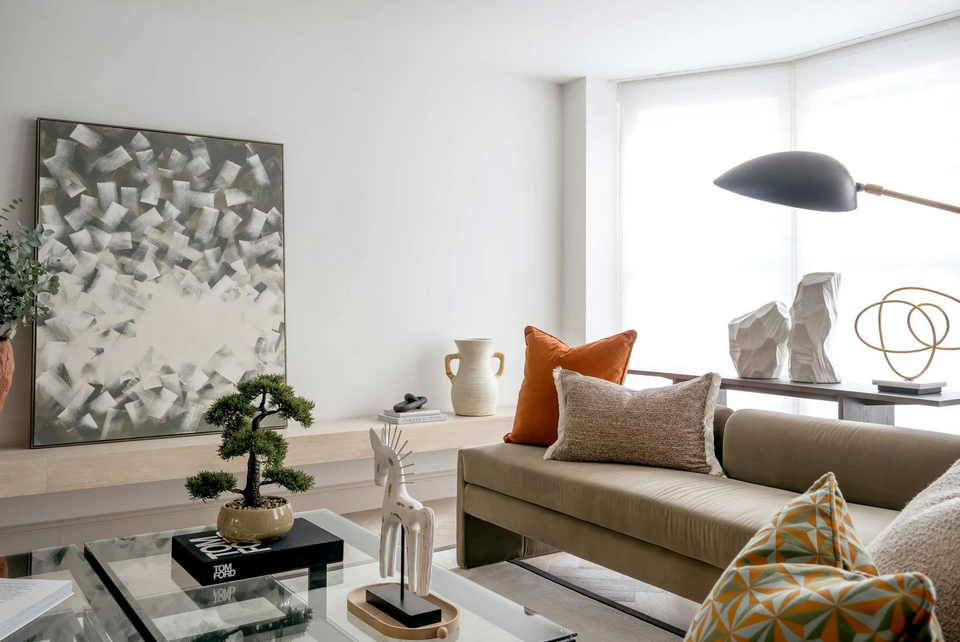
Empty new-build properties can be difficult for prospective buyers to assess, particularly when compact layouts, open-plan living areas or limited storage make it challenging to visualise how a home will function. For property developers, carefully planned furniture packages provide a practical way to present completed plots, communicate their potential and support the wider sales and marketing process.
What Are Furniture Packages and Why Do Developers Use Them?
A furniture package typically brings together selected furniture, soft furnishings, lighting and accessories to create a coordinated interior scheme. Depending on the development’s requirements, it may include beds, sofas, dining tables, wardrobes, occasional tables, rugs, curtains, cushions and decorative elements. The specification can range from essential furniture for a compact apartment to a fully furnished show home designed to demonstrate a particular standard of living.
For developers considering furniture packages for home staging, the main benefit is having a planned approach to furnishing properties for presentation, rather than sourcing individual items for each plot. A coordinated package establishes a consistent visual direction, helps manage purchasing decisions and makes it easier to plan installations around construction completion, photography and launch dates. It can also provide a repeatable specification when several similar apartments need to be prepared within a short timeframe.
The purpose of the package depends on how the property will be marketed. A show home is usually furnished to remain available for sales appointments over an extended period, providing visitors with a physical example of the development’s interior potential. A staged plot, by contrast, may be furnished primarily for professional photography, a limited viewing period or a specific marketing campaign. Its furniture selection can therefore be more targeted, depending on the intended use and available budget.
These approaches need not involve the same level of furnishing. A permanent show home may justify a broader specification, including detailed accessories and practical storage solutions. A property prepared for photography may need only enough furniture to establish room purpose, demonstrate proportions and create a coherent visual presentation.
Helping Buyers Understand Space, Layout and Functionality
Furniture gives prospective buyers a practical reference point for assessing room dimensions. Floor plans communicate measurements, but it can be difficult to translate these into an understanding of everyday use. A properly scaled sofa, dining table or bed helps demonstrate how much usable space remains once essential furniture is in place.
This is particularly relevant to London apartments, where room dimensions and circulation space can be constrained. An oversized bed may make a bedroom appear impractical, while a dining table that obstructs access to the kitchen can highlight limitations in an open-plan layout. Selecting appropriately proportioned pieces helps demonstrate how the available space can accommodate normal activities without making the rooms feel crowded.
Furniture placement can also clarify the relationship between different areas. In an open-plan kitchen and living room, a sofa and rug can define the lounge area, while a dining table establishes a separate place for meals or working. These arrangements help visitors understand how the space can function without requiring physical partitions that would reduce its flexibility.
Bedrooms and secondary rooms benefit from similarly considered planning. A smaller bedroom might be presented as a child’s room, guest bedroom or home office, depending on the development’s intended audience. However, the furniture must fit the room realistically. Showing a desk, bed and wardrobe together can be useful if the arrangement leaves sufficient space to move around and access doors, windows and storage.
The aim is to demonstrate credible uses for each room rather than fill every available area. Leaving appropriate floor space visible allows buyers to assess circulation and proportions, while selective furnishing can draw attention to features such as full-height windows, built-in wardrobes or balcony access.
Creating Consistency Across Multiple Plots
For developments containing several apartments or houses, coordinated furniture specifications help maintain a consistent standard of presentation. This does not mean every plot must look identical. Instead, a common design direction can be adapted to different layouts while retaining related colours, materials and furniture styles.
A development might use a restrained palette of natural wood, muted upholstery and understated accessories across its show apartments. Larger plots could accommodate more substantial dining arrangements, while smaller units use compact furniture with similar finishes. This creates a recognisable visual identity without ignoring differences in floor area, aspect or room configuration.
Furniture selection should reflect the likely buyer audience and the development’s positioning. A city-centre apartment aimed at professionals may benefit from flexible living and working arrangements, practical dining furniture and clearly defined storage. A larger apartment intended for families may require a more substantial dining area, comfortable seating and bedrooms that demonstrate realistic everyday use.
Finishes and materials also need to suit the intended presentation. Upholstery, timber tones, metal finishes and textiles should work together without making the scheme feel overly uniform. Accessories, artwork, rugs and cushions can introduce variation, while coordinated lighting helps maintain a consistent atmosphere across different rooms.
Lighting deserves particular attention where the development has a mixture of orientations or natural light levels. Table lamps and floor lamps can provide additional layers of illumination, while carefully selected curtains and soft furnishings help frame windows without obscuring them. These details support photography and viewings, although they should complement the property’s actual architectural features rather than conceal shortcomings.
The specification should also account for durability and maintenance. Furniture used in a show home may experience repeated handling during viewings, so stable construction, hard-wearing upholstery and replaceable accessories can be useful. Keeping a record of furniture models, dimensions, finishes and suppliers makes it easier to maintain consistency when additional plots need to be furnished or damaged items require replacement.
Budgeting, Logistics and Development Launch Planning
Furniture planning should begin early enough to accommodate the development programme. Construction completion dates, snagging, cleaning and access arrangements can all affect when furniture can be delivered and installed. Waiting until a plot is ready for photography may leave insufficient time to source suitable items, coordinate deliveries and resolve installation issues.
Read More: Why Local Experience Matters When Choosing Solar Panel Contractors in New Jersey
A detailed specification helps developers establish the scope and cost of the package before committing to purchases. It should identify the furniture required for each room, quantities, dimensions, finishes and any additional items such as lighting, mirrors, artwork or soft furnishings. Separating essential furniture from optional decorative elements also makes it easier to adjust the specification if budgets change.
The costs of a package extend beyond the purchase price of individual items. Delivery, assembly, installation, access restrictions, packaging removal and eventual collection may all need to be considered. In London developments, limited loading areas, restricted delivery hours, lifts and narrow communal corridors can create practical challenges. These constraints should be checked before furniture is ordered, particularly for larger items or upper-floor apartments.
Storage and reuse are further considerations. If furniture will be moved between plots or retained for future developments, developers need a plan for collection, transport, storage and condition checks. Reusing suitable pieces may reduce the need for new purchases, but only where their dimensions, condition and appearance remain appropriate for the next property.
Installation should be coordinated with the wider marketing schedule. A show home may need to be ready before the first sales appointments, while staged plots must be prepared ahead of photography deadlines and scheduled viewings. Allowing time for cleaning, furniture placement and final adjustments reduces the risk of presenting unfinished rooms to prospective buyers.
Read More: How Dumpster and Porta Potty Rentals Make New Jersey Construction Projects Easier
Developers should also consider how the property will appear across marketing channels. Furniture arrangements that work well in person may need small adjustments for photography, particularly where camera angles make rooms appear narrower or obscure important features. The finished presentation should remain representative of the actual property, with clear distinctions between included fixtures, optional furniture and items used solely for staging.
Finally, visual quality must be balanced against the commercial purpose of the development. Not every plot needs a complete furniture package, and not every room requires extensive accessories. Prioritising the show home and selected marketing plots may be more appropriate than furnishing every available unit, depending on the launch strategy and how the properties will be presented to buyers.
Conclusion
Furniture packages can help developers present new-build properties consistently, communicate the practical use of available space and coordinate interior presentation with sales and marketing activity. Before selecting a package, developers should assess the dimensions and layouts of the intended plots against the furniture specification, ensuring that every item fits comfortably and supports a realistic understanding of how the property can be used.