

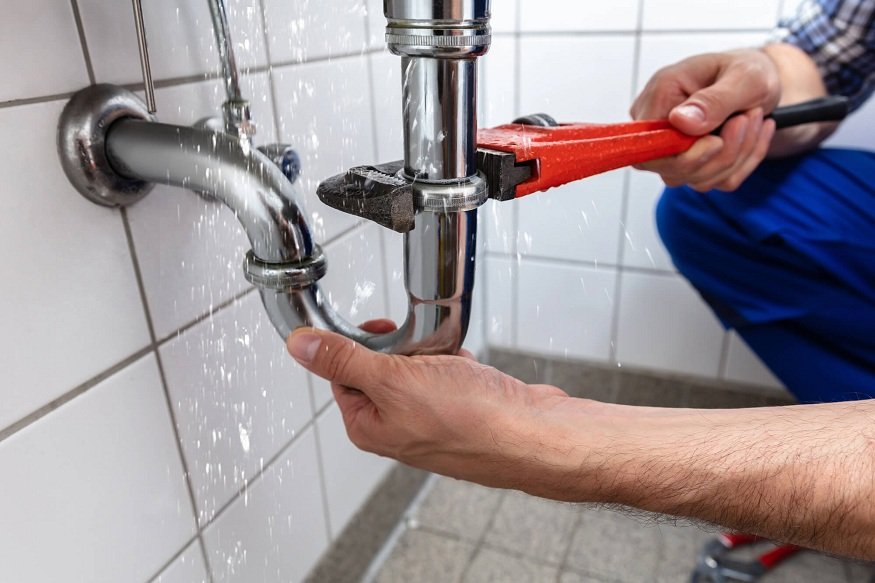
For a Houston house, a leaky hot water heater may rapidly escalate from a minor plumbing issue to a major one. When left unchecked, even a steady drop may harm neighboring possessions, cabinetry, walls, and floors. In more extreme cases, a malfunctioning tank or connection may leak a significant volume of water and cause costly property damage.
When a homeowner notices dampness near their water heater, they should identify the cause of the issue right away. While determining if the heater has to be replaced or repaired, prompt expert care may assist in minimizing water damage.
Identifying The First Indications Of A Leak
A big puddle is not always the first sign of a water heater leak. Certain issues may start off as little wetness surrounding the unit and increase progressively. A growing problem may be indicated by wet flooring, water stains, rust, corrosion, or recurrent puddles close to the foundation.
Unusual noises, intermittent hot water, or obvious leakage from pipes and fittings may be noticed by homeowners looking for assistance with water heater leaking Houston issues. Just because the heater is still providing hot water does not mean that these signs should be disregarded. Even a working device may have a leak that becomes worse with time.
It might be simpler to see changes before serious damage occurs if the area around the water heater is routinely inspected.
Determining The Source Of The Water
The presence of water near a heater does not necessarily indicate that the storage tank has malfunctioned. Water may escape from a number of components. Possible causes include degraded fittings, broken valves, loose plumbing connections, and issues with the temperature and pressure relief valve.
Read More: Beginner’s Guide to Choosing an Interior Design Firm in
By examining these parts, a plumber may pinpoint the precise source of the water. Accurate diagnosis is important since the source greatly influences healing possibilities. One kind of leak may be resolved by tightening or replacing a connection, while damage to the tank itself may call for a whole other strategy.
It’s important to differentiate between condensation and real plumbing leaks. While ensuring that real issues get the proper attention, professional inspection may assist in preventing needless repairs.
Recognizing The Tank Corrosion Risk
Conventional storage water heaters store water constantly, leaving their inside surfaces vulnerable to factors that may ultimately cause corrosion. Although protective parts are intended to halt this process, they do not permanently alter a tank.
Internal corrosion may ultimately impair a water heater’s tank as it ages. A simple repair could not provide a reliable long-term solution if water starts to leak out of a damaged tank. To lessen the likelihood of a more severe failure, replacement could be advised.
Therefore, visible rust around the tank should be considered a warning indicator rather than just a cosmetic problem.
Preventing Wall And Floor Damage
The amount of damage a leak causes might vary depending on where a water heater is located. When a unit is placed close to completed walls, storage spaces, or interior living areas, it may expose nearby objects to dampness.
Before the entire extent of the leak is visible, water may seep into wall materials or under floors. Long-term exposure to moisture may harm insulation, wood, drywall, and other construction components. It may also result in circumstances that call for further repair and cleaning.
The amount of water that travels and the number of items that are impacted may be greatly decreased by taking care of the plumbing issue early.
Recognizing When Repairs Make Sense
Depending on its age, condition, and the component causing the issue, a leaking heater may or may not need to be fixed. Repairing a reasonably new machine with a leaky connection or changeable valve could be an excellent idea.
Repairing an older heater with significant corrosion, persistent issues, or a damaged tank could be more difficult. Instead of concentrating just on the obvious leak, a plumber might assess the equipment’s general state. This enables homeowners to weigh the immediate repair against the unit’s potential dependability later on.
Safeguarding The House With Prompt Action
Rarely do water heater leaks get better on their own. Even little quantities of persistent moisture might indicate a problem that has to be fixed. Houston homeowners should be on the lookout for rust, puddles, leaking connections, and mysterious moisture around their equipment.
Read More: Why Terrace Waterproofing Is Crucial for Every Home
Both the neighboring property and the plumbing system may be protected with prompt diagnosis and suitable repair. Homeowners may lower the danger of significant water damage and preserve a more dependable supply of hot water by fixing a leaky hot water heater before the issue worsens.